


-

Add: HeBei ShengShi HongBang Cellulose Technology CO.,LTD.
-

Email
13180486930@163.com -

CONTACT US
+86 13180486930

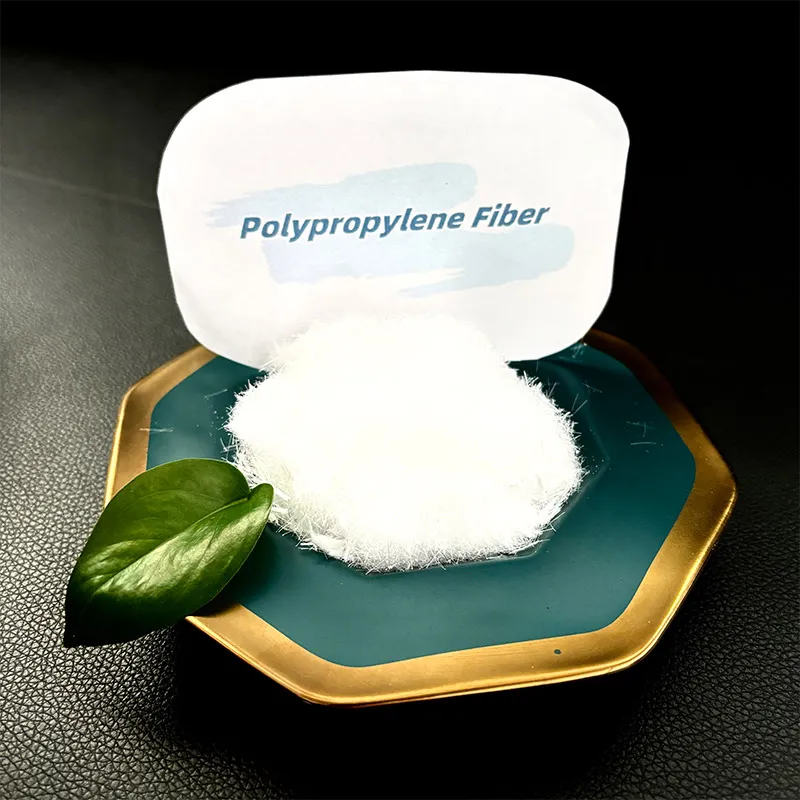


Raw Materials for Synthetic Fibers An Overview Synthetic fibers have become an integral part of our daily lives, shaping industries ranging from fashion to automotive. These fibers are made from raw materials that have transformed textiles, offering durability, versatility, and a range of functionalities. To understand the production of synthetic fibers, it is essential to explore the various raw materials involved, the processes of transforming these materials, and their impact on the textile industry and the environment. Types of Raw Materials The production of synthetic fibers primarily relies on petrochemical products derived from crude oil. The two most common types of synthetic fibers are polyesters and polyamides, which are produced from specific raw materials. 1. Polyester The most widely used synthetic fiber, polyester, is typically made from polyethylene terephthalate (PET). PET is synthesized from two key raw materials terephthalic acid and ethylene glycol. Both of these compounds originate from crude oil, undergoing processes such as polymerization to create polyesters. Known for its strength and resistance to stretching and shrinking, polyester has become a popular choice in clothing, home furnishings, and industrial applications. 2. Polyamide (Nylon) Another significant synthetic fiber is polyamide, commonly known as nylon. The production of nylon involves raw materials like hexamethylenediamine and adipic acid, which can also be sourced from petroleum or derived from renewable resources. Nylon fibers are prized for their exceptional elasticity, strength, and abrasion resistance, making them ideal for products such as hosiery, activewear, and ropes. 3. Acrylic Acrylic fibers, often used as a wool substitute, are manufactured from polyacrylonitrile (PAN). The raw materials for PAN typically include acrylonitrile, which is derived from propylene—another byproduct of oil refining. Acrylic fibers are lightweight, soft, and exhibit good color retention, providing a popular choice in blankets, sweaters, and textiles. The Production Process Once the raw materials are sourced, the production of synthetic fibers generally involves several key steps polymerization, spinning, and finishing. raw material for synthetic fibers - Polymerization This process involves chemically reacting the raw materials to form long chains of molecules, known as polymers. Depending on the desired characteristics of the final product, variations in the chemical process can be implemented to achieve specific attributes, such as thickness and flexibility. - Spinning After polymerization, the resulting polymers are melted down and extruded through spinnerets, which are devices that create filaments. As the molten polymer passes through tiny holes, it cools and solidifies to form fibers. This spinning process can be done using different techniques, such as dry, wet, or melt spinning, each resulting in different types of fiber characteristics. - Finishing The final step in fiber production involves finishing processes that enhance the fiber's performance characteristics. This might include dyeing, texturing, or applying treatments that improve properties like water resistance or flame retardance. Environmental Considerations While synthetic fibers have revolutionized the textile industry, their production poses significant environmental challenges. The extraction and processing of petrochemical raw materials contribute to carbon emissions, pollution, and reliance on fossil fuels. Furthermore, synthetic fibers are not biodegradable, resulting in long-lasting waste in landfills and oceans. To address these concerns, there is a growing movement towards sustainable practices in synthetic fiber production. Innovations in recycling technologies are enabling the repurposing of old synthetic garments into new fibers. Brands are also exploring bio-based alternatives, using renewable resources such as corn starch or sugarcane to produce synthetic fibers, thus reducing their environmental footprint. Conclusion The journey of synthetic fibers from raw materials to finished products is a complex interplay of chemistry, engineering, and environmental considerations. As demand for these materials continues to grow, it is vital to find a balance between industrial benefits and ecological sustainability. By prioritizing innovation and responsible sourcing, the future of synthetic fibers may pave the way for a more sustainable textile industry, combining functionality with environmental stewardship.
- 40000tons

Production
- 20+years

Experience
- 5000+㎡

Acreage

-
Hydroxypropyl methylcellulose (HPMC) is a versatile product that has gained tremendous attention across various industries due to its unique properties. Derived from cellulose, the most abundant biopolymer on Earth, HPMC has carved a niche for itself, particularly in the construction, pharmaceutical, and food industries. One of the critical factors propelling HPMC's widespread application is its exceptional viscosity and water retention characteristics. In the construction industry, for instance, HPMC is revered for its role in enhancing the workability and performance of cement and gypsum-based products. It acts as a water retention agent and stabilizer, improving adhesion and extending open time, which is crucial for construction applications in diverse environmental conditions. Experts often highlight that the quality of mortar is significantly uplifted with the correct dosage of HPMC, delivering better results without the need for constant adjustments or retries. Moving into the pharmaceutical realm, HPMC emerges as an invaluable excipient, instrumental in the formulation of oral and topical pharmaceuticals. Its non-ionic and inert nature makes it an excellent candidate for controlled release formulations. Medical experts value HPMC for its ability to act as a film-forming agent and as a binder in tablets, directly impacting the efficacy and safety of the medication. The controlled release properties ensure that the therapeutic effects are sustained over an extended period, thereby enhancing the patient experience and compliance. In the food industry, HPMC's utility cannot be overstated. It serves as a vegetarian alternative to gelatin, finding its place in a myriad of food products such as desserts, confectionery, and even low-fat food formulations. Nutritionists and food scientists recognize its role in improving texture and stability while being safe for consumption. The ability of HPMC to form reversible gels upon heating is particularly prized, ensuring that food products maintain their desired quality throughout their shelf life. hpmc hydroxypropyl methyl cellulose The trustworthiness of HPMC stems from its well-documented safety profile and regulatory approvals from bodies such as the FDA and EFSA. This authoritative endorsement across various applications reassures users of its reliability and multifaceted utility. By adhering to rigorous quality standards, manufacturers ensure that HPMC not only meets but often exceeds industry expectations. For businesses considering the incorporation of HPMC into their products, partnering with reputable suppliers who offer technical support and consistency in quality is critical. Experienced suppliers will provide the necessary expertise to tailor HPMC grades to meet specific application needs, ensuring optimal results and satisfaction. In summary, the adaptability and functional benefits of Hydroxypropyl methylcellulose make it an indispensable asset in multiple verticals . As industries continue to evolve, the demand for sustainable and efficient solutions like HPMC is likely to escalate. For businesses and professionals seeking to leverage its potential, understanding its multifaceted applications and sourcing it from credible suppliers will be key to unlocking new levels of innovation and efficiency.
-
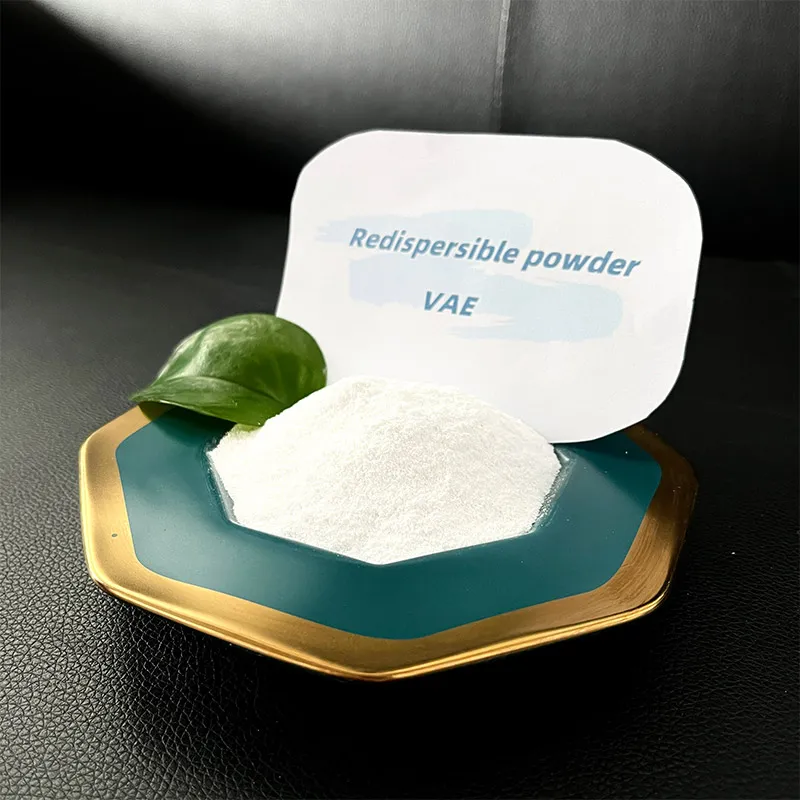
The Use of Polypropylene Fibre in Concrete Enhancing Durability and Performance Concrete is one of the most widely used construction materials in the world, renowned for its strength and durability. However, traditional concrete has inherent limitations, such as brittleness and susceptibility to cracking. To address these weaknesses, engineers and researchers have explored various methods of enhancing concrete's performance, one of which is the incorporation of polypropylene fibres. This article delves into the benefits of polypropylene fibre concrete, its applications, and its role in modern construction practices. Understanding Polypropylene Fibres Polypropylene is a thermoplastic polymer often used in a variety of applications, including packaging, textiles, and automotive components. When used as a reinforcement material in concrete, polypropylene fibres help improve the material's overall properties. These fibres are typically available in lengths ranging from 6 mm to 19 mm, depending on the specific application. Their lightweight and durable nature contribute significantly to enhancing the performance of concrete. Benefits of Polypropylene Fibre Concrete 1. Crack Control One of the most significant advantages of incorporating polypropylene fibres into concrete is their ability to control cracking. Traditional concrete can develop micro-cracks due to shrinkage, thermal changes, and stress loads. Polypropylene fibres help to inhibit the growth of these cracks by redistributing stresses within the concrete matrix. This results in improved crack resistance, particularly in thin slabs and surfaces exposed to environmental conditions. 2. Improved Impact Resistance Polypropylene fibre-reinforced concrete exhibits enhanced impact resistance compared to conventional concrete. The presence of fibres helps to absorb and dissipate energy, making the material less prone to failure under sudden loads. This property is particularly valuable in applications where high-impact forces are expected, such as in industrial flooring and pavement. 3. Increased Durability The addition of polypropylene fibres can significantly improve the durability of concrete. The fibres reduce the permeability of the concrete, thereby limiting the ingress of harmful chemicals, water, and chloride ions that can lead to corrosion of reinforcement bars. This characteristic is vital for structures exposed to harsh environmental conditions, such as marine environments or areas with high road salt usage. polypropylene fibre concrete 4. Enhanced Flexural Strength Polypropylene fibres contribute to improved flexural strength of concrete. Their presence allows for better load distribution, reducing the likelihood of bending and deformation under stress. This enhanced strength can be particularly crucial in applications such as bridges and parking structures, where load-bearing capacity is essential. 5. Reduction in Construction Costs By improving concrete’s durability and longevity, the use of polypropylene fibres often leads to reduced maintenance and repair costs over time. Furthermore, the ability to use thinner slabs without compromising performance can expedite construction processes and reduce material costs . Applications of Polypropylene Fibre Concrete The versatility of polypropylene fibre concrete makes it suitable for a multitude of applications. Its properties are particularly beneficial in - Industrial Flooring High-impact and heavy-load industrial environments benefit immensely from the use of polypropylene fibre-reinforced concrete. - Pavement and Roads The enhanced crack resistance and durability provided by polypropylene fibres help extend the lifespan of pavements and roads, thus improving safety and reducing repair frequencies. - Precast Concrete Products The use of fibres in precast products allows for thinner and lighter components without sacrificing performance, making transportation and installation easier. - Shotcrete Applications In tunneling and mining, polypropylene fibres are commonly used in shotcrete to improve stability and reduce rebound. Conclusion The integration of polypropylene fibres into concrete represents a significant advancement in construction technology. The ability to enhance fundamental properties such as crack resistance, impact strength, and durability makes polypropylene fibre concrete an attractive option for modern construction projects. As the industry continues to evolve, the adoption of such innovative solutions will likely become even more common, yielding structures that are not only stronger but also more sustainable in the long run.
advantages
-

200000 Viscosities
Excellent product
We can produce pure products up to 200,000 viscosities
-

40000 tons
High yield
We don’t stop production all year round, and the annual output can reach 40,000 tons
-

24 hours
Quality service
We provide 24-hours online reception service, welcome to consult at any time
———— Inquiry Form
Schedule A services



-
 polipropileno_reforzado_con_fibra_de_vidrio
Oct . 25, 2025
Long glass fiber reinforced polypropylene is revolutionizing the way industries approach manufacturi -
 rubber_accelerator_free_gloves
Oct . 25, 2025
Heat-resistant synthetic fibers have emerged as a game-changer in a variety of industries, from text -
 serat_sintetis_yang_kuat
Oct . 25, 2025
Hydroxypropyl methylcellulose (HPMC) has rapidly gained prominence in various industries due to its


